Weekly Cancer Insights
The latest cancer news and musings, compiled from Professor Justin Stebbing's dispatches

Mapping mutations & magic mushrooms…
This week, Professor Stebbing’s insights point to a powerful new AI tool for understanding changes in human DNA, and early research suggesting that psilocybin could help protect patients from chemotherapy-induced nerve damage.
AI Maps Every Possible Change in Human DNA and What It Means for Cancer
On 9 September 2026, Google DeepMind released the AlphaGenome Atlas, a tool that does something previously impossible: it predicts the molecular consequences of every single one of the approximately nine billion possible single-letter changes to the human genome.
To understand why this matters, it helps to know what we mean by a single-letter change. Our DNA is written in a four-letter code – A, T, C and G – and our genome contains roughly three billion of these letters. A change in just one letter, anywhere in that sequence, can sometimes have no effect at all, and sometimes can cause serious disease. Identifying which single-letter changes are dangerous, and understanding exactly how they cause harm, has been one of the central challenges of genetics for decades. Cancers, for instance, are driven by mutations – changes in the DNA sequence of cells – and knowing which mutations matter and precisely what they do is central to developing better diagnostics and treatments.
The AlphaGenome Atlas addresses this by running DeepMind's AlphaGenome model across every possible single-letter variant in the genome and storing the results in a single, freely searchable resource. The resulting dataset – roughly one petabyte in size, more than 30 times larger than the AlphaFold protein database – contains predictions for how each variant affects gene expression, splicing (the process by which genes are read and converted into proteins), and other key molecular processes. It also includes a new ranking score that helps researchers prioritise which variants are most likely to be functionally important.
The practical value for cancer research is substantial. When doctors sequence a tumour or a patient's genome, they often find hundreds or thousands of variants and face the challenge of working out which ones are driving the cancer and which are incidental background noise. A resource that predicts the functional consequences of all possible variants – including ones that have never been seen before in any patient – can significantly speed up that detective work. In one illustrative example described in the email, the tool helped identify a pathogenic variant in a rare disease patient by predicting that a specific genetic change would disrupt normal gene splicing in a harmful way.
DeepMind has made the Atlas freely available for non-commercial research use. It is important to note that AlphaGenome has not been validated or approved for clinical use, and the company itself states that it is a research tool that can serve only as part of the evidence chain in clinical settings, not as a standalone diagnostic. But as a research resource for understanding cancer genetics, it represents a significant step forward.
Read more: AlphaGenome Atlas – Google DeepMind
Could Psilocybin Protect Chemotherapy Patients' Nerves?
A study published on 5 September 2026 in the journal Science has found that psilocybin – the active compound in psychedelic mushrooms – may prevent one of chemotherapy's most debilitating side effects: damage to the peripheral nerves in the hands and feet.
Chemotherapy-induced peripheral neuropathy is a serious and common problem. More than 60% of patients treated with certain chemotherapy drugs – particularly platinum-based compounds like cisplatin and taxanes like paclitaxel and docetaxel – develop symptoms including numbness, burning pain, extreme sensitivity to cold and loss of sensation in the hands and feet. In severe cases, the nerve damage is bad enough that oncologists have to reduce the dose of an otherwise effective cancer treatment, or stop it altogether. Worse still, in many patients the damage persists long after the cancer has been treated, and there are currently few effective ways to reverse it once it has occurred.
The new research, led by scientists at MD Anderson Cancer Center and published in Science, found that in mice, as few as two doses of psilocybin given before chemotherapy prevented much of the nerve damage that normally follows treatment. Crucially, the protection persisted through repeated chemotherapy cycles. And importantly, psilocybin did not appear to reduce the chemotherapy's ability to kill cancer cells – suggesting that the drug might be able to protect nerves without undermining the treatment itself.
What makes the finding particularly interesting is the mechanism. The researchers found that psilocybin activates a receptor called 5-HT2A (a serotonin receptor) which sets off a chain of biological events that preserve the movement of mitochondria – the energy-producing machinery of cells – along the lengths of peripheral nerves. Chemotherapy disrupts this mitochondrial movement, effectively cutting off the energy supply to the nerve endings and causing them to degenerate. Psilocybin appears to prevent that disruption, keeping the nerve endings alive and functional.
Equally striking is that the psychedelic experience itself may not be what produces the benefit. When researchers used a non-hallucinogenic compound that targets the same 5-HT2A receptor and pathway, it provided similar neuroprotection. That raises the possibility that future treatments could preserve the therapeutic benefit while avoiding the psychedelic effects – which is important both practically and from a regulatory perspective.
This research was conducted in mice and in human nerve tissue in the laboratory, and must be understood in that context. Animal studies regularly fail to translate into successful treatments in humans. There are real uncertainties about whether the same effect would be seen in cancer patients, at what doses, and with what side effects. Psilocybin is also a controlled substance, and any clinical use would require further regulatory approval. But the finding is considered sufficiently significant that it was published in one of the world's most selective scientific journals, and it opens a genuinely new avenue for addressing a problem that has lacked good solutions for decades.
Read more: Psilocybin prevents chemotherapy-induced peripheral neuropathy – Science
Also see: MD Anderson Cancer Centre research newsroom
As always, if anything in this summary feels relevant to your own situation or that of someone you care for, please do speak with your clinical team before drawing any conclusions or making any changes.
With thanks to Professor Justin Stebbing for his insights and research.
Planes, space & GLP-1's…
27 Aug-3 Sept 2026 latest cancer insights from the desk of Prof. Stebbing.
This week, Professor Stebbing highlights the cancer risks of cosmic radiation for airline crews, cancer-drug research in space, and emerging links between GLP-1 drugs, ageing and cancer.
Radiation Exposure and Cancer Risk in Aviation Workers
A major new study published in JAMA Internal Medicine has found that, out of more than 500 occupations examined across 12.7 million deaths, flight attendants and pilots have the highest proportion of deaths from cancers linked to radiation exposure. Around 6.9% of flight attendant deaths were from radiation-associated cancers (roughly one in fourteen), compared with 6.7% for pilots and approximately 5% for the general working population.
Researchers believe the primary cause is cosmic radiation. At altitude, the atmosphere is thinner and offers less protection from the high-energy particles streaming in from space. Air crew are estimated to absorb more radiation, on average, than workers in any other job. The types of cancers most elevated among aircrew included breast cancer, prostate cancer, melanoma, and cancers of the central nervous system, with pilots also showing higher rates of leukaemia.
The findings have real-world legal weight too: a French court recently recognised the breast cancer of a former Air France flight attendant, who had logged more than 12,600 flying hours over 30 years, as an occupational disease, a landmark ruling in Europe. The study also touches on a related chapter in radiation history: Chernobyl. The 1986 nuclear disaster caused 28 confirmed deaths from acute radiation sickness and, in the years that followed, more than 6,000 cases of thyroid cancer were diagnosed in children and adolescents who were exposed to radioactive iodine. The vast majority survived; fewer than 15 died. Crucially, large population studies have not found major increases in overall cancer rates among the broader Chernobyl-exposed public, contrary to some earlier fears.
The World Health Organisation has estimated that up to around 4,000 additional cancer deaths may eventually occur as a statistical consequence among the 600,000 most heavily exposed individuals, a serious toll, but far smaller than some projections in the immediate aftermath of the disaster.
Read more: Harvard Medical School news summary | CNN report
Manufacturing Cancer Drugs in Space
One of the more unexpected frontiers in cancer research involves sending drugs (and cancer cells themselves) to the International Space Station to see what happens when gravity is taken out of the equation.
Researchers at Merck found that pembrolizumab (Keytruda), a widely-used cancer immunotherapy that works by releasing the brakes on the immune system, forms smaller and more uniform crystals in microgravity. On Earth, the drug must be given as a lengthy intravenous infusion, partly because of the way it behaves as a liquid. The more uniform crystals produced in space hinted at the possibility of a subcutaneous injection instead: faster, simpler, and far more convenient for patients.
Merck ultimately developed an injectable version through Earth-based manufacturing, but the space experiments had shown that microgravity could reveal new possibilities for drug formulation. More directly relevant to cancer biology, researchers at UC San Diego sent breast cancer cells to the Space Station to test an experimental cancer drug in conditions where gravity is effectively absent.
Cancer cells in microgravity tend to cluster into three-dimensional structures that more closely resemble how tumours actually behave in the body, and they appear to respond to treatments faster. Biological changes that would take weeks or months to observe on Earth were visible within days in space, with microgravity acting as a kind of biological fast-forward button. Organoids (small lab-grown tissue models used to study cancer) also grow more uniformly and survive better in microgravity, which could make them more useful as research tools.
None of this means cancer drugs will be manufactured in space at scale any time soon, but it illustrates how changing the physical environment of cells can unlock new insights into how diseases behave and how drugs might be improved.
Read more: ISS National Lab: Merck space station research improves cancer drug delivery | Published research: pembrolizumab microgravity crystallisation (npj Microgravity)
GLP-1 Drugs, Ageing, and the Broader Cancer Picture
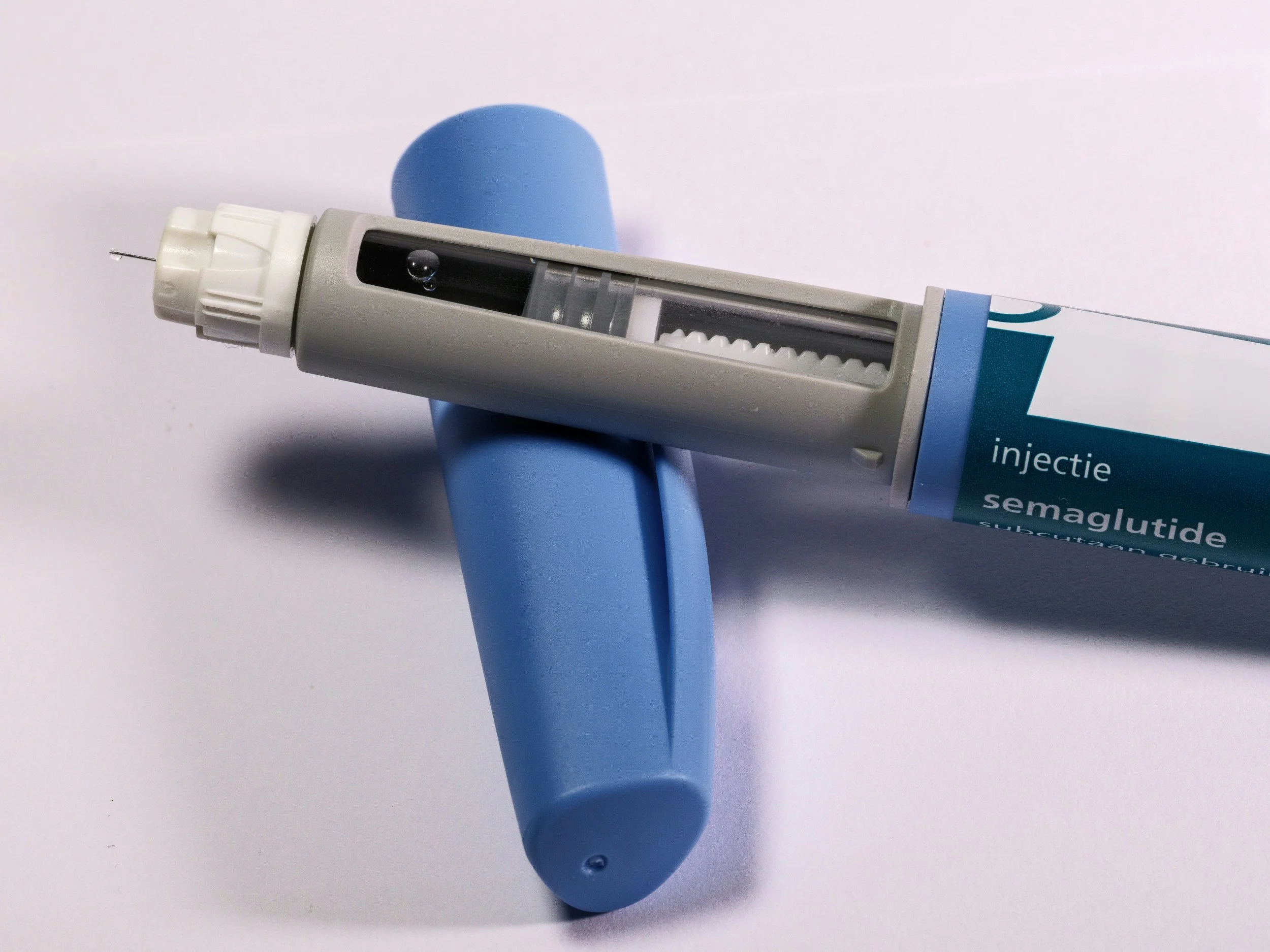
You may have heard of Ozempic or Wegovy, the injectable drugs originally developed for type 2 diabetes and weight loss that have become household names. Their active ingredient, semaglutide, works by mimicking a hormone called GLP-1 that helps regulate blood sugar, appetite, and metabolism. A striking new study published this month in Nature suggests semaglutide may do something even more fundamental: slow the process of ageing itself.
In the study, older female mice given semaglutide lived around 12% longer on average than untreated mice: a median of 834 days compared with 742 days in the control group. But lifespan was only part of the story. The treated mice also performed better on tests of balance, memory, and physical endurance; they had better blood sugar control; and gene expression analysis showed that several hallmarks of ageing, including chronic inflammation and reduced regenerative capacity, were measurably reduced. Importantly, these benefits appeared to go beyond simply eating less (semaglutide-treated mice ate about 24% less food), suggesting the drug works through additional biological pathways.
Why does this matter for cancer? Cancer is fundamentally a disease of ageing: the vast majority of cancers become more common as we grow older, driven by accumulated DNA damage, chronic inflammation, and the gradual breakdown of the body's quality-control systems. Prof Justin Stebbing, along with colleagues, has written a commentary in the British Journal of Clinical Pharmacology setting out what they call the Blueprint Theory of Aging.
The central idea is that ageing and the cluster of diseases that come with it, including cancer, heart disease, type 2 diabetes, and neurodegeneration, are not entirely separate conditions but overlapping consequences of shared biological processes going wrong. When normal pathways that serve useful purposes in youth become dysregulated as we age, they can drive disease across multiple organ systems simultaneously. Seen through this lens, the widening list of conditions that GLP-1 drugs appear to help with, from heart disease and kidney disease to possible effects on brain health, begins to make more sense.
By targeting shared upstream processes like chronic inflammation, insulin resistance, and metabolic dysfunction, these drugs may be addressing a common root rather than separate diseases. Cancer sits within that cluster. While semaglutide is not a cancer treatment, the research raises the intriguing possibility that drugs targeting the biology of ageing may, in time, have a role to play in cancer prevention alongside their more established benefits. Read more: Nature study: semaglutide extends lifespan in mice | NIH news release | Blueprint Theory of Aging, British Journal of Clinical Pharmacology
As always, if anything in this week's update feels relevant to your own situation or that of someone you care for, please speak with your clinical team before making any decisions. Research findings, even encouraging ones, take time to translate into treatment guidelines.
With thanks to Professor Justin Stebbing for his insights and research.

Centenarians, babies and cancer vaccines...
18-24 Aug 2026 latest cancer insights from the desk of Prof. Stebbing.
This week, Professor Stebbing highlights a landmark trial for a personalised cancer vaccine, fresh insights into lifelong immune protection, and how genetic screening at birth could identify cancer risk earlier.
A personalised mRNA vaccine for melanoma reaches a major milestone
Merck and Moderna have announced that their personalised mRNA cancer vaccine, known as intismeran, has significantly reduced the risk of melanoma returning in a large phase III clinical trial - the most rigorous kind of study in medicine. This is the first time an mRNA-based cancer treatment has succeeded at this late stage of testing, and it marks a significant step forward from decades of research into cancer vaccines.
The trial (INTerpath-001) enrolled 1,137 patients with high-risk melanoma whose tumours had already been completely removed by surgery. Patients received either pembrolizumab alone (a well-established immunotherapy drug already used as standard treatment) or pembrolizumab together with the personalised vaccine. After five years of follow-up, the combination reduced the risk of the cancer recurring or causing death by 49% compared with pembrolizumab alone (hazard ratio 0.51). It also reduced the risk of the cancer spreading to distant parts of the body by 59% (hazard ratio 0.41).
These are substantial results. Overall survival data are not yet mature. What makes this approach so remarkable is how the vaccine is made. Each patient's tumour is genetically sequenced to identify the specific mutations unique to their cancer. Algorithms then predict which of the resulting abnormal proteins, called neoantigens, are most likely to be recognised and attacked by that individual's immune system. An mRNA construct encoding up to 34 of these neoantigens is then manufactured specifically for that patient: effectively a molecular photograph showing the immune system exactly what it should be targeting. Pembrolizumab works by removing one of the brakes that cancers use to suppress immune responses.
The vaccine and the drug therefore work as a team: one teaches the immune system what to recognise, and the other helps sustain the attack. Perhaps most encouraging is what this trial may mean for other cancers. Personalised vaccines are already being investigated in pancreatic cancer, bowel cancer, stomach cancer, lung cancer and triple-negative breast cancer.
Crossing this phase III threshold is genuinely significant, and the companies have said they plan to engage with regulatory authorities about a filing for approval.
Read more: Merck press release - INTerpath-001 trial | STAT News coverage
How the immune systems of people who live past 100 may hold clues about cancer protection
A new study published in the journal Cell Reports has found that people who live beyond 110 years - known as supercentenarians - tend to have unusually high numbers of a rare type of immune cell called CD4 cytotoxic T lymphocytes (CD4 CTLs). These cells, which appear to have expanded specifically in response to threats encountered over a lifetime, may offer a glimpse into one of the biological secrets of extreme longevity, with intriguing implications for cancer. Most of us know CD4 cells as the 'helper' cells of the immune system, responsible for coordinating immune responses.
What makes the CD4 CTLs found in supercentenarians unusual is that they have acquired the ability to directly kill other cells. The study found that the proportion of these cells increased steadily with age: around 4% in people aged 70-99, rising to 9.6% in centenarians (100-109), and reaching 17.6% in supercentenarians (110 and older). Crucially, the cells showed signs of having expanded in response to specific targets, forming large, active clones without the signs of exhaustion you might expect in very old immune cells, meaning they were actively doing something rather than simply accumulating passively.
When researchers examined the 'barcodes' of these T cells, they found matches with immune cells previously identified in patients with non-small cell lung cancer, breast cancer, and liver cancer, raising the possibility that these cells may be targeting cancer-associated antigens. Cancer risk rises sharply with age because cells accumulate more mutations over time, while the immune systems that normally patrol for abnormal cells may become less effective. Supercentenarians may have retained an unusually capable cellular surveillance system that continues identifying and eliminating threats, including potential cancers, decade after decade. Important caveats apply.
It is not yet established whether these unusual immune cells help people reach extreme old age, or whether they are simply a feature of having survived so long. Correlation is not causation, and this research needs significant further investigation before any clinical application could be considered. But the findings add to a growing body of evidence that the immune system's relationship with cancer is central to healthy ageing.
Read more: Cell Reports - original study | ScienceAlert coverage
Genomic newborn screening: catching cancer-predisposition genes from birth
A series of new studies is beginning to demonstrate what becomes possible when whole-genome sequencing moves from the genetics clinic into routine newborn screening. One Belgian programme (BabyDetect) screened 3,847 babies for 165 treatable conditions; an Australian study (BabyScreen+) examined 605 genes in 1,000 newborns. Both found meaningful numbers of serious, actionable diagnoses that standard heel-prick testing would have missed.
A separate study published in Nature Communications in August 2026 focused specifically on cancer: using a panel of 11 genes linked to paediatric cancer-predisposition syndromes, researchers found pathogenic variants in nearly 7% of the children screened. Among the conditions these programmes can detect are inherited genetic variants that significantly raise the risk of developing certain cancers later in life. Identifying these at birth opens the possibility of lifelong surveillance, earlier intervention and, in some cases, preventive treatment during the window when action is most effective.
Researchers are also wrestling carefully with the question of what to report and when: a variant that only becomes relevant in adolescence or adulthood raises different ethical questions than one requiring immediate action in a newborn. The wider programme raises important questions about consent, equity and the capacity of health systems to act on what they find. But the direction of travel is clear: as sequencing becomes cheaper and our understanding of treatable genetic conditions grows, it is increasingly possible to see a future where a single test at birth provides a lifelong genetic roadmap, used carefully and selectively to act at the moments when early knowledge makes the greatest difference.
Read more: BabyScreen+ study - Nature Medicine | Medical Xpress coverage
As always, if anything in this week's update feels relevant to your own situation or that of someone you care for, please speak with your clinical team before making any decisions. Research findings, even encouraging ones, take time to translate into treatment guidelines.
With thanks to Professor Justin Stebbing for his insights and research.

Drugs, bugs & cancer…
28 July-3 Aug 2026 latest cancer insights from the desk of Prof. Stebbing.
A strong week for cancer science, with new findings covering treatment personalisation, the biology of how cancer develops and can be disrupted, sustainable drug production, and the role of gut health in cancer risk.
Predicting who will benefit from breast cancer immunotherapy
Not everyone with breast cancer responds to immunotherapy — treatments that work by boosting the body's own immune system to fight the disease. A new study of 160 people with breast cancer has made progress towards predicting in advance who is likely to benefit. Researchers found 19 genes in patients' immune cells that play a key role in determining whether those cells will respond to a particular type of immunotherapy. They also found that patients whose immune cells were more genetically varied before treatment started were more likely to respond well. By combining the 19-gene signature with this measure of diversity, they created a single blood-based indicator — a biomarker — that could one day help doctors tailor treatment far more precisely. This is still a research finding, but it is a meaningful step towards more personalised cancer care.
Read more: https://doi.org/10.1126/scitranslmed.aec2358
How cells self-destruct and what it means for cancer
Healthy cells have built-in self-destruct mechanisms that activate when something goes wrong inside them. One of these is called ferroptosis — a process in which reactive iron molecules build up and trigger the cell's death. This mechanism helps keep cancer in check naturally, because cells behaving abnormally can be eliminated this way. Researchers have now discovered that a natural substance produced in the body called spermine can block this process by trapping iron — effectively switching the self-destruct off. Understanding what turns ferroptosis on or off matters greatly for cancer treatment, because it opens up the possibility of drugs that could restore this protective cell-death pathway in cancer cells that have found ways to evade it. This is early-stage science, but it adds meaningfully to our understanding of how cancer progresses and how it might be disrupted.
Read more: https://www.nature.com/articles/d41586-026-01802-3
Producing cancer drugs more sustainably
Two important cancer drugs — etoposide and teniposide, used in treating certain lung cancers, leukaemias, and other cancers — are currently derived from plants that are difficult to cultivate at scale and are vulnerable to overharvesting in the wild. Scientists have now developed a way to produce these drugs in yeast, using a specially designed biological manufacturing process. This kind of laboratory-based production could help ensure a more reliable and sustainable supply of medicines that patients depend on, and may eventually help reduce costs. It is a less headline-grabbing development, but a genuinely important one for the practicalities of keeping essential treatments available. Read more: https://doi.org/10.1126/science.aef5438
Gut bacteria and colorectal cancer
The bacteria living in our gut — known as the gut microbiota — play a vital role in our health. When this balance is disrupted, a condition called dysbiosis can occur, which has been linked to a range of conditions including colorectal cancer (cancer of the bowel). New research has looked more closely at what actually changes in the gut when dysbiosis occurs. Scientists found that the bacterial community becomes simplified — fewer species dominate, and they tend to cooperate in ways that look very different from a healthy gut, where bacteria mostly compete with one another. Understanding these mechanics more precisely could eventually point to new ways of reducing cancer risk or supporting treatment. This is early research, but it forms part of a growing body of evidence connecting gut health to cancer.
Read more: https://doi.org/10.1126/science.ady1729
As ever, if any of these findings feel relevant to your own situation or someone you care for, please do speak with your clinical team. Research findings take time to translate into clinical practice, and your doctor is best placed to advise on what applies to you.
With thanks to Professor Justin Stebbing for his insights and research.

Math, coffee and cancer…
Cancer insights 21-27 July 2026 including cancer & coffee study results and preserving cancer patient fertility.
This week's newsletter from Professor Stebbing’s insights covered a rich range of cancer topics, from smarter treatment strategies to new drug targets and a genuine milestone in fertility preservation for young patients facing chemotherapy.
Smarter cancer treatment: working with evolution
One of the greatest challenges in treating cancer is that tumours can develop resistance to treatment — they adapt, and drugs that once worked stop working. Researchers are now turning that evolutionary logic around. By applying mathematical models drawn from evolutionary science, scientists have shown that rapidly and strategically switching between multiple therapies — before the tumour has time to adapt — could significantly improve cure rates. Rather than waiting for a treatment to fail, the approach tries to stay one step ahead of the cancer's ability to change. This is still at the research and modelling stage, but trials are being designed to test it in practice.
Read more: http://dx.doi.org/10.1093/genetics/iyaf255
Coffee and liver cancer risk: what the evidence shows
A large long-term study has added to the growing body of evidence linking regular coffee consumption with a lower risk of liver disease and liver cancer. People who drank coffee regularly showed lower rates of cirrhosis (scarring of the liver) and liver cancer, as well as healthier liver scans with less fat and inflammation. Benefits were visible even at one or two cups a day and were strongest at around three to four cups. The study cannot prove that coffee prevents liver cancer — other lifestyle factors are always in play — but it reinforces a consistent pattern in the research. Moderate coffee drinking appears to be associated with better liver health, which may be of interest to people with liver conditions or those at higher risk.
Read more: http://dx.doi.org/10.1016/j.cgh.2026.04.035
A potential new treatment approach for colorectal cancer
Scientists have identified a promising new angle for treating colorectal cancer — cancer of the bowel or colon. They focused on a protein called NDRG1, which appears at high levels in some cancer cells. When NDRG1 is present in large amounts, it appears to make those cells more sensitive to a drug called quinacrine, which was originally developed as an antimalarial medicine. Cancers carrying specific mutations in DNA repair genes were especially responsive. More research and clinical trials would be needed before this could become a treatment option, but it suggests that testing for NDRG1 levels in tumours could eventually help identify patients most likely to benefit from this approach.
Read more: https://doi.org/10.1126/scisignal.adv4272
Fertility preservation: a milestone for young patients
For boys and young men who face treatments — including chemotherapy — that can damage fertility, there is new cause for hope. Belgian clinicians have reported the first human case in which testicular tissue removed and frozen before treatment was successfully reimplanted years later and began producing sperm. The patient had undergone treatment for sickle cell disease in childhood, but the same technique of banking testicular tissue before chemotherapy is used for boys with cancer. The sperm produced are not yet accessible in the usual way and assisted reproduction would be required, but this is a genuine scientific milestone — it demonstrates, for the first time in a human, that immature testicular tissue can be preserved and later reactivated.
(No source link included.)
As ever, if any of these findings feel relevant to your own situation or someone you care for, please do speak with your clinical team. Research findings take time to translate into clinical practice, and your doctor is best placed to advise on what applies to you.
With thanks to Professor Justin Stebbing for his insights and research.